A One-Pass Revision for Repeated Scene Openings
Revise repeated scene openings with a focused pass that varies each scene’s entry point while preserving its purpose, momentum, and point of view.
You open three scenes in a row with a character arriving, setting down a bag, and noticing the room. Each moment fits, yet the repeated warm-up makes the draft feel as if it is restarting. A one-pass revision for repeated scene openings gives every scene a fresh entry point without requiring you to rebuild the plot.
The aim is not to make every opening loud or unusual. It is to choose the earliest beat that gives a reader something useful to follow: a decision, interruption, discovery, exchange, or change in circumstance. Treat the scene’s setup like a coat rack by the door: useful, but not every visitor needs to pause there before entering the room.
What should this revision pass change?
Work on openings, not on the whole scene. You are looking for repeated patterns in the first few paragraphs: arrivals, waking, travel, weather, room description, routine gestures, or a character explaining what they already know. Those beats may be well written individually. The problem is their recurring position at the threshold.
Keep a scene’s essential job in view. It may introduce a choice, deliver a consequence, bring two characters into conflict, or show a change in what the viewpoint character understands. The opening should lead toward that job, not necessarily announce it. If removing a setup paragraph makes the scene’s action hard to understand, retain the needed information and look for a different way to place it.
Do not revise every scene merely because it starts quietly. A repeated opening is a pattern to inspect, not a flaw to eliminate by rule. Some scenes need a calm entrance for contrast; others depend on orientation before the reader can grasp what is at stake.
How do you map the opening beats?
Set aside a focused writing session and gather the draft in one place. Use a printed manuscript, a word processor, or a spreadsheet. For each scene, note only its first few beats, in order, and the first moment when something changes or matters. A beat is a small unit of attention: a character crosses a threshold, hears a name, refuses a request, or recognizes an object.
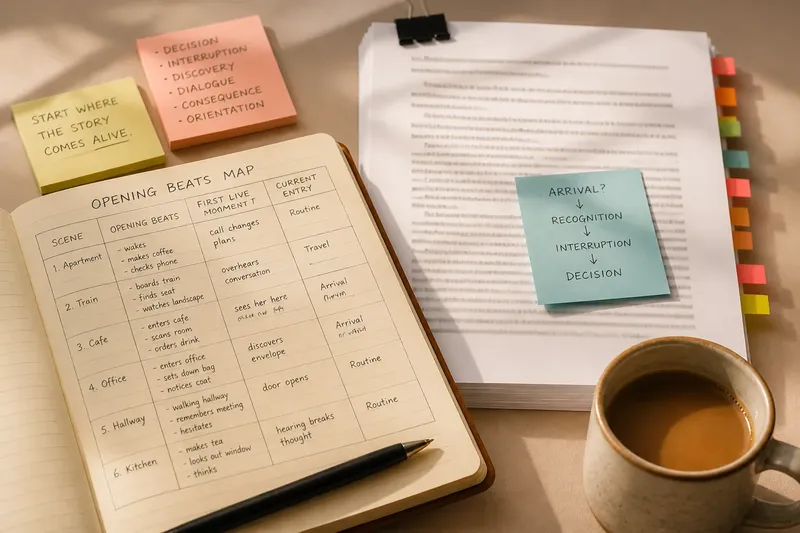
A simple table can keep the work brisk:
- Scene: Identify it by location, viewpoint character, or a short label.
- Opening beats: Record the actions or information in the order they appear.
- First live moment: Mark the first choice, question, interruption, discovery, or shift.
- Needed setup: Note the facts a reader must know to follow that moment.
- Current entry: Identify whether the scene begins with arrival, routine, description, dialogue, action, or another beat.
Keep descriptions plain. “Mara enters the office; notices the wet coat; searches for the envelope” is more useful for this pass than a paragraph describing the office’s atmosphere. You are mapping sequence, not judging the prose.
Then read the list from top to bottom. Mark repeated entry types, especially when they appear in neighboring scenes. Notice where the same setup performs a different job and where it only delays a more revealing beat. A routine gesture might establish intimacy in one scene and simply get a character seated in another; those deserve different decisions.
Which beat should a scene begin with?
Choose an entry point by asking what the reader needs to witness first. There are several useful options, and each creates a different kind of opening:
- Begin with a decision when the scene turns on a character’s choice. The context can follow as the action develops.
- Begin with an interruption when the arrival of new information changes an existing interaction or plan.
- Begin with a discovery when a character notices something that alters what they think is happening.
- Begin with dialogue when an exchange is already underway and the reader can infer the immediate situation from what people say.
- Begin with a consequence when the prior scene’s action has already changed the circumstances. Let the character confront the result before recounting the lead-up.
- Begin with a necessary orientation beat when place, time, or physical position must be clear before tension can make sense. Keep only the orientation the scene depends on.
These are not a set of opening formulas to rotate mechanically. If every scene starts with dialogue simply because you are avoiding arrivals, the repetition has moved rather than disappeared. Choose the beat that carries this scene’s particular pressure, and let the neighboring openings differ where the story allows.
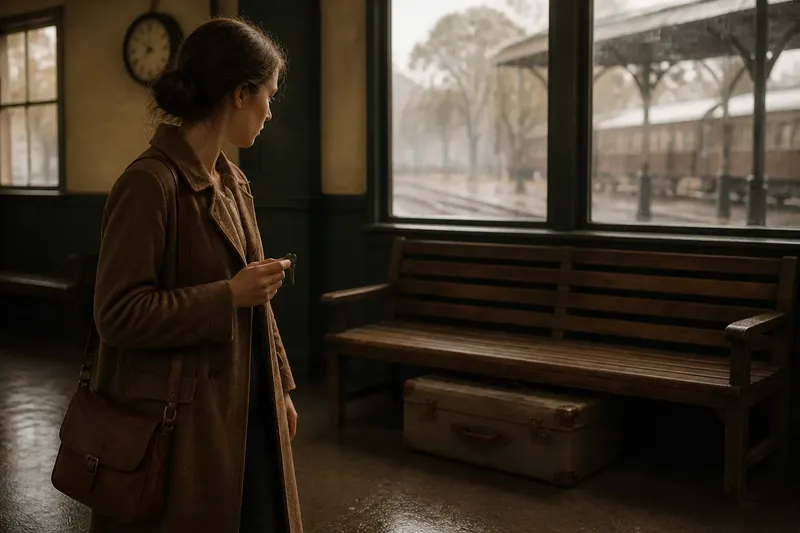
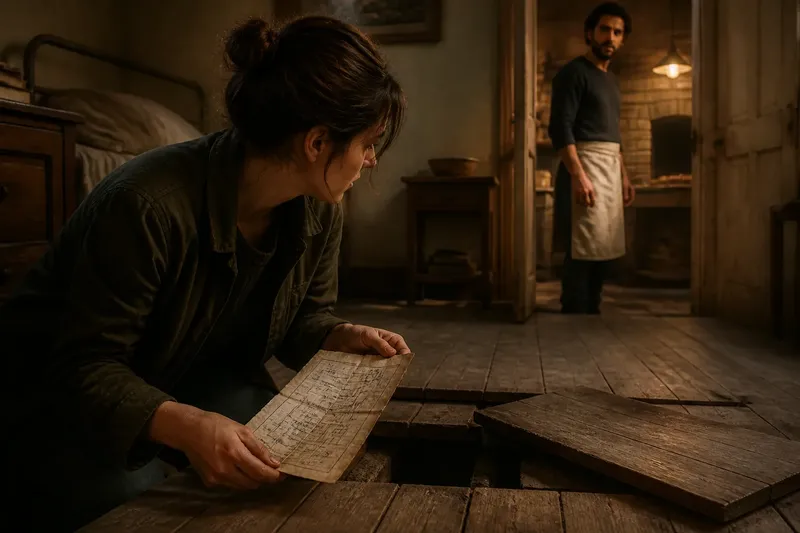
Say a draft has two consecutive scenes that begin with characters entering a café and scanning for someone. In the first, the character’s arrival matters because they have come to make an apology. In the second, the meeting has already begun off-page, and the viewpoint character recognizes a marked-up map on the table. You might retain the first entrance but open the second at the recognition, adding a brief location cue if needed. The expected result is that the second scene reaches its distinct concern sooner, while the reader still knows where the characters are.
How can you move a scene forward without losing clarity?
Try the proposed opening in the manuscript rather than deciding from the beat list alone. Move the strongest candidate to the beginning, then read forward through the scene’s first turning point. Check whether the viewpoint character could perceive the new opening at that moment and whether the reader can tell who is present, where the action takes place, and what is happening now.
Preserve information by relocating it only when the scene can carry it naturally. A coat left dripping by the door may matter later; it need not be described before anyone speaks unless the detail affects the opening action. A character’s reason for being at the location may be needed immediately, or it may become clear through a question. Keep the information that helps the reader understand the live moment; trim or delay the information that merely warms up the scene.
Watch for chronology and cause. Starting later should not make a character appear to know something before learning it, or make a response seem to precede the event that prompted it. If the scene’s first important beat depends on a prior action, a short, specific cue can bridge the gap. Avoid replacing a full setup with a vague line that leaves the reader guessing about basic circumstances.
Read the revised opening aloud. If you have to add a paragraph of explanation to make the new entrance comprehensible, the candidate may be too late, or the scene may need a different beat. The right entry is not always the latest possible one. It is the point where the reader can join the action without being asked to supply missing essentials.
What should you check before calling the pass done?
Use this compact review after you have revised the openings you marked. It keeps the pass focused and helps prevent a brisk start from flattening the scene’s voice or logic.
- Opening pattern: Does the scene repeat a nearby scene’s entry without a distinct reason? If yes, test another beat; if no, leave the opening alone.
- Scene purpose: Does the first beat point toward the scene’s main choice, conflict, or change? If not, move closer to the first moment that does.
- Orientation: Can a reader identify the immediate situation? If not, restore the smallest clear cue for place, participants, or timing.
- Viewpoint: Does the opening stay within what the viewpoint character can observe or know? If not, recast the information through that character’s experience.
- Cause and sequence: Does each action still follow from what came before? If not, restore a brief connective beat or choose an earlier entrance.
- Scene voice: Does the new start still sound like this character and this story? If not, revise the language rather than adding a familiar setup by default.
- First-page burden: Are you explaining several facts before the scene has begun to move? If yes, keep only the facts needed for the immediate action.
Apply the checks to the scenes you changed, then compare their openings in sequence. They should not all have the same rhythm, but they should still feel as if they belong to the same narrative. A quiet observation can sit beside a sharp interruption if the characters’ situations call for those different entrances.
What if the scene still feels slow or abrupt?
Should every scene start in the middle of action?
No. Starting in the middle of a conversation or movement can create urgency, but urgency is not the only useful effect. A scene may need a moment of orientation or quiet attention before a choice carries weight.
Can you delete all the setup?
Delete setup that repeats information or postpones the scene’s live moment, but retain what makes the action intelligible. If the reader cannot tell why a character reacts, preserve the relevant cue or place it where the reaction becomes meaningful.
What if two scenes need the same kind of opening?
Keep the shared pattern when it serves both scenes, then make the beats do different work through character, detail, or consequence. Variation is a tool for avoiding accidental repetition, not a demand that every entrance look different.
How do you know whether the new opening is too abrupt?
Read from the first line through the first exchange or action that changes the scene. If you cannot follow who is acting, what prompted the action, or where the character is, add a concise orientation cue or move the entry point slightly earlier.
How do you finish the pass in one sitting?
Give yourself a bounded session: map the openings, identify recurring entry types, revise the scenes where repetition feels unintentional, and read each changed opening in context. Do not polish every sentence or rethink the entire plot in this pass. Mark a larger continuity question for later if it cannot be answered from the scene itself.
As you work, keep the original version in view through tracked changes or a duplicate draft. That makes it easier to restore a necessary beat if the new entrance loses a useful tone, clue, or emotional pause. The purpose of this one-pass revision for repeated scene openings is not speed for its own sake; it is a cleaner choice about where each scene begins.
Before you stop, read the opening beats as a list once more. Each should offer a reason to enter there, and the sequence should not make the reader repeatedly wait through the same kind of arrival. If a scene still needs its familiar setup, keep it deliberately. The useful revision is the one that makes each entrance feel earned by what follows.